



Innovation and Research
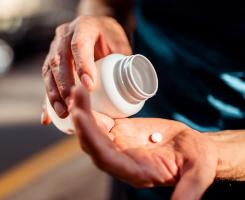
Pitt research helps explain how Ritalin sharpens attention
The new study connects the dots between brain cells, behavior and the ADHD drug.

A big idea for better batteries
This year’s Randall Family Big Idea Competition winners want to enable renewable energy by providing the tools to store it.

Meet the undergraduate ‘rock star scientist’ named a 2022 Goldwater scholar
A childhood fascination with DNA led Pitt junior Katie Oppenheimer to research genetic instability and its relationship to cancer.

The Pitt Success Pell Match Program has invested more than $95 million in low-income students
Pitt’s groundbreaking financial aid program continues to make education more affordable for Pennsylvania students and their families. Here’s the proof.

How reflective writing and a nudge from an app increased college prospects for low-income students
Pitt’s Omid Fotuhi found that a combination of self-affirmations and deadline reminders made students more likely to complete the admission process and attend college.

Pitt celebrated its first-ever Graduate and Professional Students Honors Convocation
Awardees have distinguished themselves through research, service and leadership.

Volunteers for research studies should get access to their data, says this Pitt professor
"It’s hard, but it’s worth it," Mylynda Massart says in this Q&A about the extra effort involved in sharing data with study participants.

Gemma Marolda receives Fulbright U.S. Scholar award to Italy
Marolda will conduct research and be a guest lecturer at the University of Bari as part of a project to study European migration policies and practices in the Central Mediterranean.

Health sciences faculty: Apply by April 18 for the Supporting Our Scientists program
The award can support up to 20 junior faculty members who experienced undue caregiving responsibilities as a result of COVID-19.

Got food cravings? What’s living in your gut may be responsible
A new Pitt study shows that the gut microbiome of mice influences their preferred diet. The results, researchers say, could apply to humans, too.