



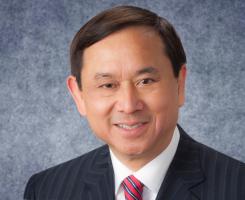
Orthopaedic giant Freddie Fu dies at age 70
Fu brought knee surgery into the 21st century, mentored thousands and cultivated a thriving sports health community in Pittsburgh.

They're trying to detect the next pandemic
Seema Lakdawala’s lab is part of a new multi-institutional partnership that will assess the pandemic potential of new viruses.

Postdoc Denis Newman-Griffis wins dissertation award

Research sheds light on how children interpret ‘dark tourism’
Ahead of the 20th anniversary of the 9/11 attacks, Professor Mary Margaret Kerr shares insights on how to help children make meaning of tragic events.

Utibe Essien Receives AAMC Award
Utibe Essien, assistant professor of medicine in Pitt’s School of Medicine, is the recipient of the Association of American Medical Colleges’ 2021 Herbert W. Nickens Faculty Fellowship Award.

Pitt People Make 40 Under 40

School of Medicine welcomes newest class
The Class of 2025 continued last year’s pandemic-inspired tradition of writing their own oath professionalism.

Docs try app to boost mental health in COVID-19 longhaulers
Even people with mild COVID-19 sometimes have lingering issues. The UPMC Post-COVID Recovery Clinic is using a new cognitive behavioral therapy app to help people with anxiety and depression.

Jim Withers
His Street Medicine Institute provides “street rounds” and social services to people who live outdoors.