



Graduate and professional students

Alexa, congratulate these Pitt graduate students
A team of doctoral students in the School of Computing and Information is working to make AI more inclusive. Their efforts landed them among 10 finalists in this year’s Alexa Prize TaskBot Challenge.

Graduate students: Apply for paid Pennsylvania Robotics and Technology Fellowships by March 2
Help regional companies adopt autonomous technology through this Joseph M. Katz Graduate School of Business collaboration.

Win up to $20,000 in funding for an interdisciplinary research project
Submit a letter of intent for the annual Steven Manners Research Development Awards by March 3.

Thinking about graduate school? The Pitt2Pitt Scholarship can help you get there.
More than 80 master’s and professional programs offer scholarship funding for students and alumni who continue their studies at Pitt.
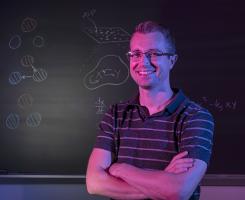
Pitt physicists break down how cells communicate
For cells, the new research shows, there’s such a thing as too much communication. The results have implications for studying cancer and other diseases.
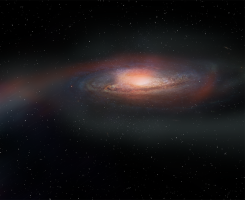
Why do galaxies stop making stars? A huge collision in space provides new clues.
Merging galaxies might hurl away the gas that fuels new stars, according to a discovery by Pitt astronomers and their colleagues.

Stephen Frederico received an American Brain Tumor Association fellowship to study pediatric brain cancer
The award aims to motivate talented medical students to pursue careers in neuro-oncology research by supporting a three-month summer research experience.

In-state students will benefit from additional commonwealth funding
Pitt will distribute 100% of the one-time COVID-19 relief funding recently granted by Gov. Wolf to in-state students who are enrolled this fall.

Four graduate students received support from the inaugural LGBTQIA+ Endowed Research and Outreach Fund
The fund was created by Gender, Sexuality, and Women’s Studies Program Director Todd Reeser and instructor Julie Beaulieu.
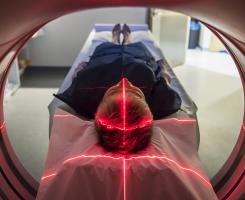
How not to use brain scans in neuroscience
A Nature paper led by a Pitt PhD student revealed a crucial flaw in studies that attempt to predict complex personality traits from one-off brain scans.