



Sustainability

16 Pitt students will research electrical grid sustainability through SHURE-Grid
The summer program is a collaborative partnership between the David C. Frederick Honors College, Swanson School of Engineering, Pitt’s Office of Research and the Idaho National Laboratory.

Clutter for a Cause diverted a record 22K pounds of material from landfills
The event saved tons of electronics, food products and more from residence halls during move-out week.
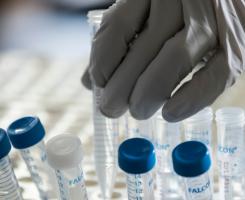
Making batteries takes a lot of lithium. Some of it could come from wastewater.
Water from Marcellus shale gas wells could supply up to 40% of U.S. demand for the metal, according to a new Pitt study.

6 tips for hanging your hammock without harming trees
The University’s Pittsburgh campus is home to almost 4,000 trees; here’s how to pick an optimal spot for your afternoon siesta.

These students were published in the Journal of Science Policy and Governance
The two teams from Pitt’s Environmental Law and Policy class tackled policy problems in their papers.
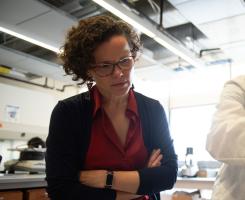
PFAS, the ‘forever chemicals,’ explained by Pitt engineer Carla Ng
A leading expert on forever chemicals, Ng explains what they are, where they’re found and what researchers are doing to eradicate them.
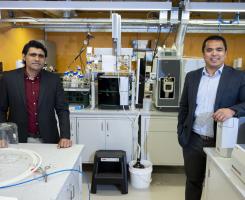
Pitt’s Sustainable Design Lab is developing novel materials to combat global water pollution issues
Researchers Hassan Nawaz and David Sanchez are designing metal organic frameworks (MOFs) to deal with arsenic and other heavy metals from Pittsburgh to Pakistan and beyond.
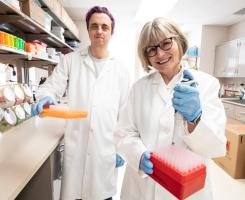
Labs produce a lot of waste. Here’s how Pitt is making them more sustainable.
24 research labs have joined the Green Labs program, an effort to reduce the environmental impact of their work.

Pitt is launching an Office of Sustainability in the Health Sciences
The new office, led by Michael Boninger, aims to reduce Pitt’s impact in a field that accounts for 10% of U.S. greenhouse gas emissions.

New rooftop solar installations are springing up across campus
Four arrays will provide the equivalent energy of taking more than 100 cars off the road — and more are on the way.