


Features & Articles
Filter By

This new antibody test only takes 10 minutes, no blood draw necessary
A highly selective sensor developed by Pitt researchers can quantify immune responses — but may also have implications for everything from cancer treatments to allergy detection.

2 new spaces in the UPMC Hillman Cancer Center will enhance treatment options and patient care
The Mario Lemieux Immunotherapy Center and the Pietrandrea Clinic are officially open after a Nov. 13 dedication ceremony.

A new way to make phage DNA lays groundwork for better infection treatments
The study, by Graham Hatfull and colleagues, surmounts a long-lasting barrier to constructing the genomes of bacteria-killing viruses.

A global competitiveness expert will deliver Pitt’s winter commencement address
The Honorable Deborah L. Wince-Smith, president and CEO of the Council on Competitiveness, will speak to the Class of 2025 during the University’s Dec. 14 ceremony.

What really led to the decline of Maya kingdoms?
Researchers tend to blame drought for the downfall of these cities — but it’s not that simple, according to Pitt’s Claire Ebert.

From data to display, Pitt is giving the EKG an upgrade
A machine learning-based system could save lives and anxiety when it comes to suspected heart attacks.

The Surukuchi Lab is helping solve mysteries of the universe with CUORE
These Pitt physicists are pushing boundaries in the hunt for neutrinoless double beta decay.

How SHREC went to the moon — without even knowing
The NSF lab’s radiation-hardened computer system was adopted by the NASA Kennedy Space Center.

AI’s transformative impact is already here — and other takeaways from this week’s ‘Forging the Future’ summit
Leaders from around the globe gathered at Pitt to explore how emerging technologies are reshaping health care, economic competitiveness and the global innovation economy.
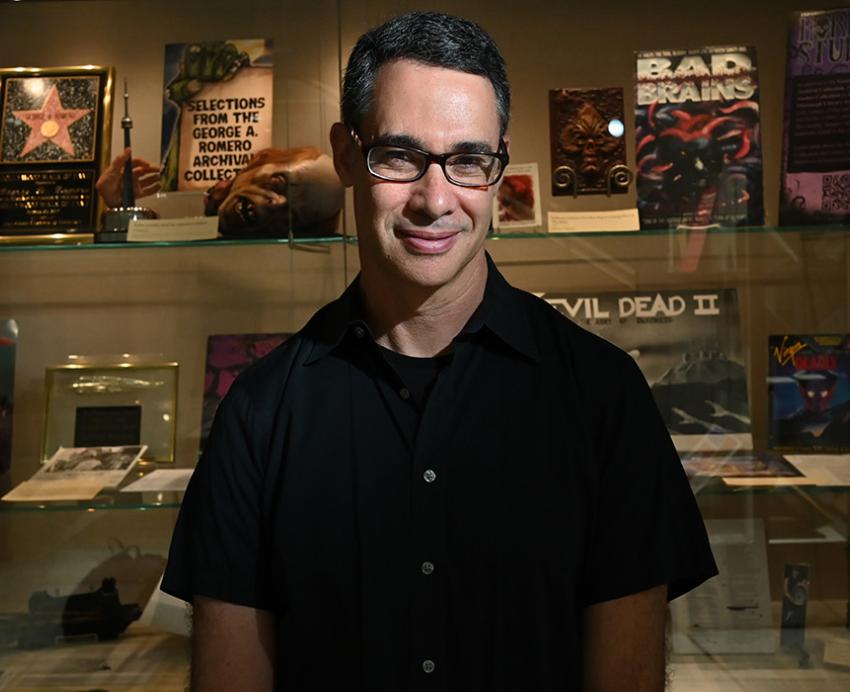
Pitt has launched a first-of-its-kind Horror Studies Center
Just in time for Halloween, the new Dietrich School center approaches the genre through an interdisciplinary and global lens. See some of the chilling materials.

These Pitt researchers are making steady progress toward a confident gait
A recent study, led by Gelsy Torres-Oviedo, shows an assured walk may start with being able to perceive changes.

A new Pitt study helps identify where train derailments pose the greatest risk
In the wake of East Palestine, a new study by Pitt Water Collaboratory researchers maps 26 years of accidents in the Ohio River Basin.

How Pitt is building additional awareness and support for research
The University is highlighting the vital importance of research through its Research Matters program.

Most people turn inward to make tough decisions, a new Pitt study found
Center for Philosophy of Science director Edouard Machery was a senior author on the research, which spanned 13 languages, 12 countries and five continents.

New Pitt research suggests cellphone data could help clinicians identify and treat mental health disorders
Colin E. Vize says passive sensing could give clinicians access to more (and more reliable) data about their patients’ lives.

What’s the difference between a mountain pika and a rabbit? Their noses.
A surprising new Pitt study suggests that mammals living at high elevations switch off many of the genes that help them smell.

Pitt findings point to lava as a source of Venus’ CO2-rich atmosphere
Ian Flynn is among a group of researchers who found the planet’s extreme environment may be the result of early outgassing rather than its position in our solar system.

John C. Byrd has been named UPMC Hillman Cancer Center director
The internationally lauded researcher will lead one of the nation’s premier National Cancer Institute-Designated Comprehensive Cancer Centers.
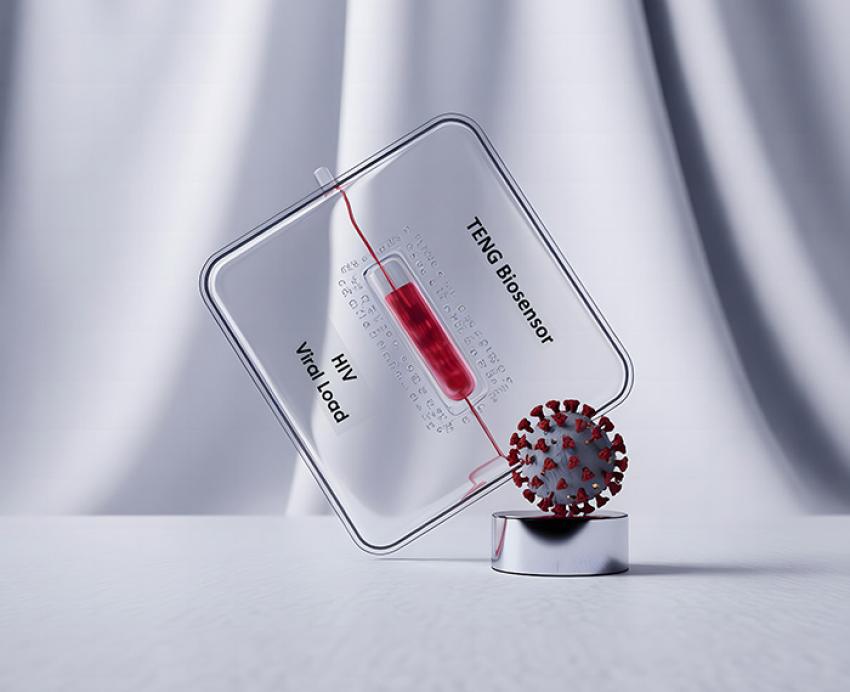
Pitt researchers earned Gates Foundation funding to develop an HIV sensor
Amir Alavi and Alan Wells are building a handheld device that can report viral load at the press of a button, enabling care in resource-limited or decentralized settings.
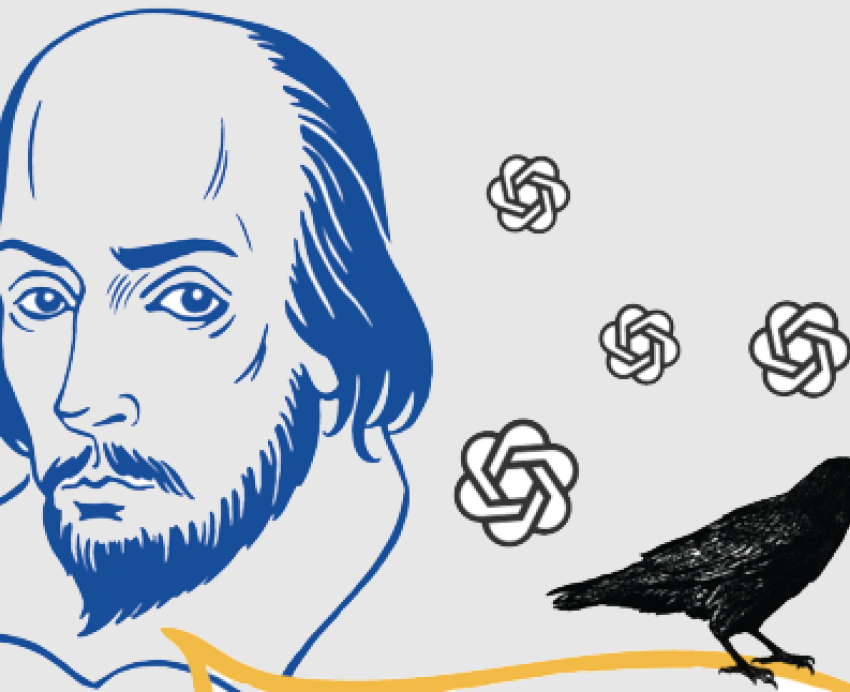
If ChatGPT wrote this poem, would you like it more?
A study from Pitt Professor Edouard Machery suggests "AI-generated poems are now 'more human than human.'"